Mondiali 202610 Jul 2026
Barcelona have reached an agreement for the purchase of Cancelo
Barcelona have reached an agreement with Al Hilal for the transfer of Joao Cancelo for 10 million euros.
In an official note, UEFA harshly criticized FIFA for the controversial decision regarding Folarin Balogun, putting at risk the credibility of the World Cup and the relationship between the two federations.
The issue becomes further complicated with the idea of increasing the frequency of the World Cup, a move justified by Infantino as an attempt to help refugees in the Mediterranean, but which has raised much criticism. UEFA has underlined that Infantino's recent decisions call into question not only the credibility of the World Cup, but also that of football as a whole. UEFA's reaction was strong, calling the decision regarding Balogun "incredible and unjustifiable", and declaring that "a red line has been crossed".
This is not the first time that UEFA and FIFA have clashed. Since 2018, tensions have increased due to the initiatives of Infantino, who attempted to implement new competitions without the consent of the European body. UEFA saw this as an attempt to create direct competition to the Champions League, which led to a rift in relations between the two organisations. Zurich-based FIFA has watched UEFA's success in club football with growing frustration as both bodies seek to diversify their sources of revenue beyond a competition every four years.
Currently, there are further tensions, as FIFA is planning to increase the number of participating teams in the next edition of the World Cup (2029), from 32 to 48. UEFA, faced with this scenario, is determined to defend its position and ensure that the decisions taken do not undermine confidence in international football.
In summary, the current dispute could mark the beginning of a broader conflict between the two federations, with repercussions that could influence not only the future of international tournaments, but also the very structure of world football.
<p>Read more on our latest coverage and stay tuned for updates on what happens next.</p>Barcelona have reached an agreement with Al Hilal for the transfer of Joao Cancelo for 10 million euros.
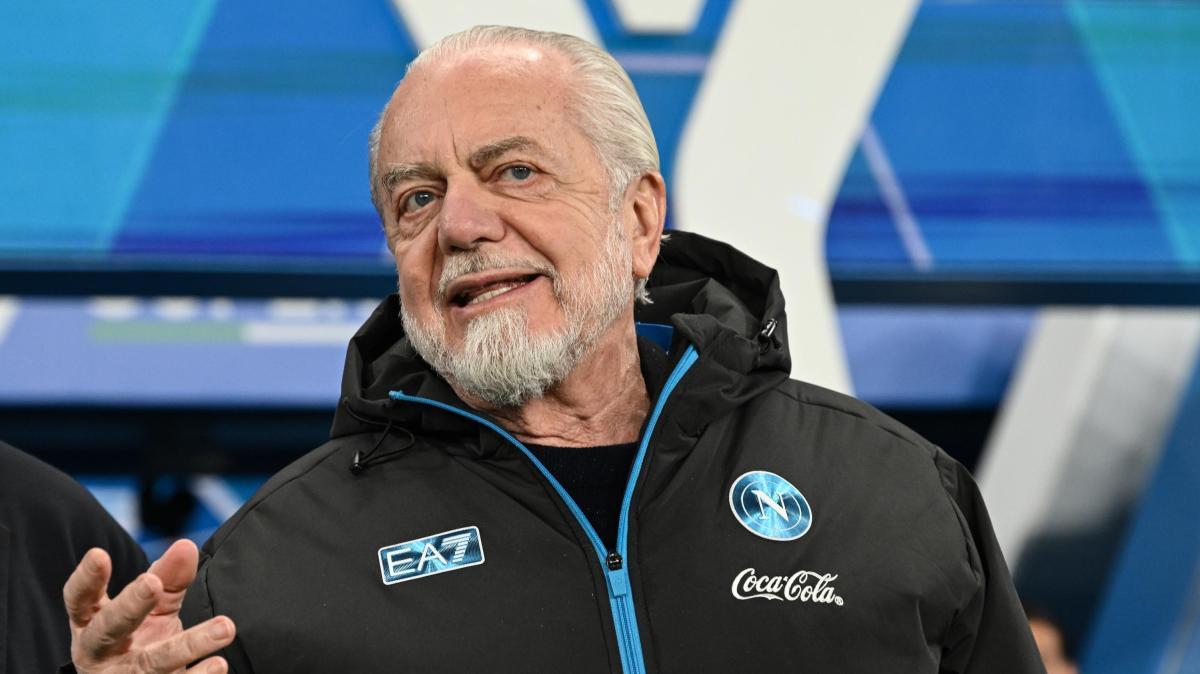
Argentina reaches the quarter-finals of the World Cup with a comeback against Egypt, while Napoli is involved in an investigation. Juventus and Roma are preparing for the transfer market.
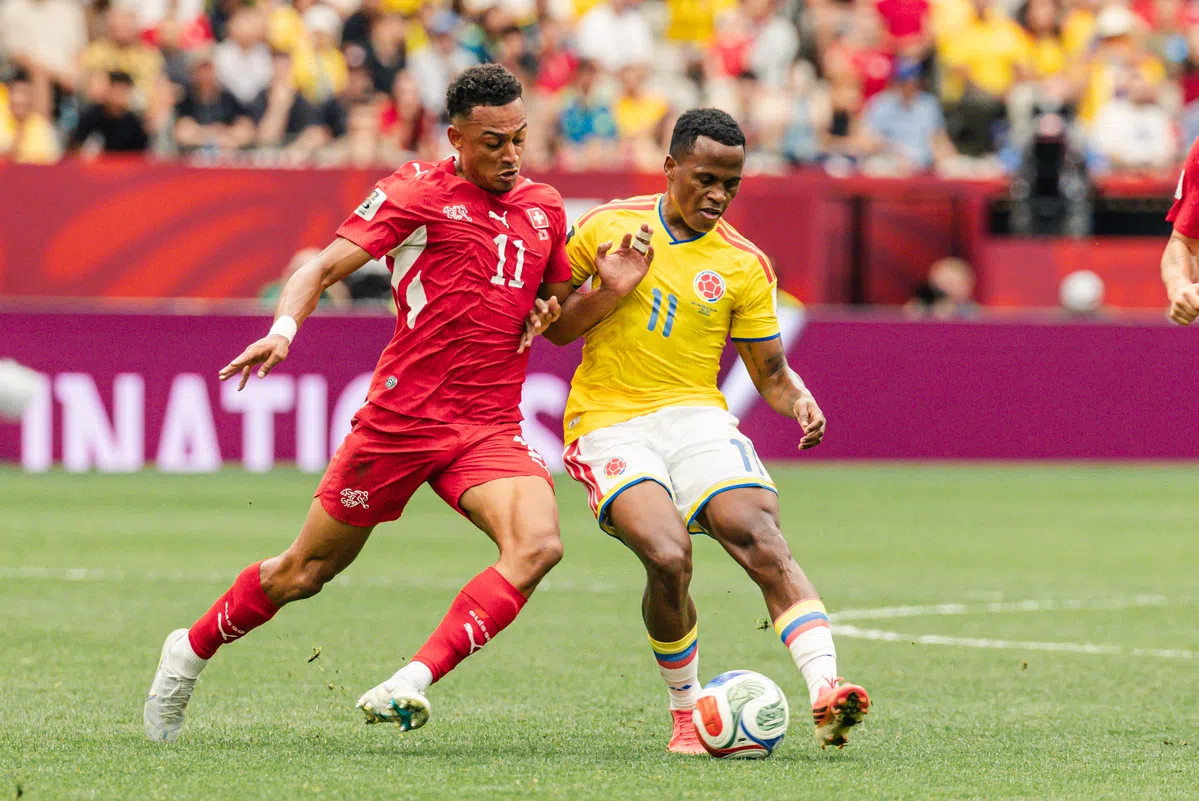
Switzerland reached the World Cup quarter-finals for the first time since 1954, beating Colombia on penalties in a goalless round of 16 tie.