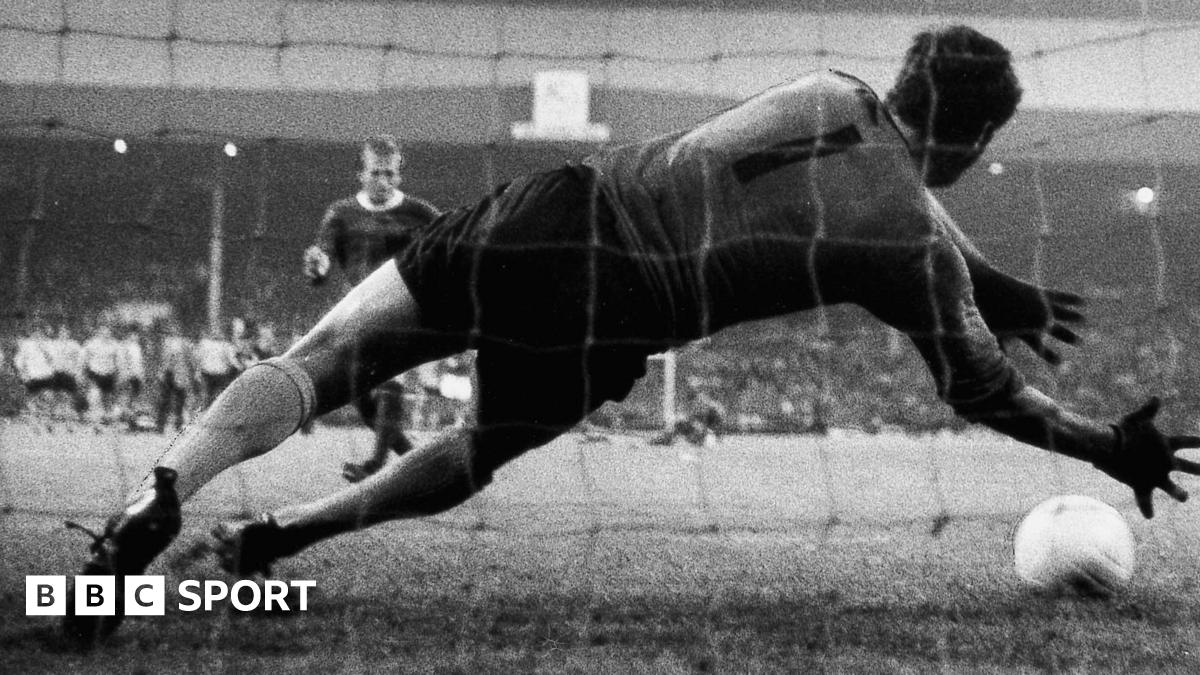
Martyn Kelly ricorda di aver desiderato di avere uno sgabello su cui salire, come gli altri bambini sugli spalti, per avere una visuale migliore. Il primo rigore ufficiale del mondo non era qualcosa che voleva fosse oscurato dalle teste degli altri. In una calda serata del 5 agosto 1970 al Boothferry Park di Hull, un Manchester United pieno di stelle raggiunse la fine del tempo supplementare in parità 1-1 con il Hull City di seconda divisione in una partita di coppa. Sei settimane prima, i legislatori del calcio avevano deciso di porre fine ai tiri di moneta per decidere i vincitori, a favore di cinque calciatori per ciascuna squadra che avrebbero calciato un rigore da 11 metri contro solo il portiere. "Cavolo," pensò il giovane tifoso dell'Hull City, Kelly, undici anni. "È George Best, uno dei più grandi giocatori di sempre. Sta per calciare il primo rigore nel primo rigore della storia del mondo." Quella era una cosa da vedere. Nessuno sapeva ancora che questo nuovo metodo per decidere una partita di calcio in parità sarebbe diventato un'esperienza straziante che alcuni tifosi, giocatori e allenatori faticano a guardare. La Watney Cup era una competizione pre-stagionale dal 1970 al 1973 che metteva in campo le squadre con il punteggio più alto delle prime quattro divisioni (con alcune eccezioni). Prima di questo, le partite di coppa o ad eliminazione diretta che terminavano in parità venivano risolte con rigiocamenti, sorteggi o tiri di moneta. All'Europeo del 1968, l'Italia raggiunse la finale dopo aver indovinato correttamente testa o croce dopo uno 0-0 contro l'Unione Sovietica. La finale contro la Jugoslavia terminò anch'essa 1-1 e l'Italia vinse 2-0 due giorni dopo quando le squadre si rigiocarono. Per coloro che non erano tifosi dei metodi esistenti per rompere l'equilibrio, la goccia che fece traboccare il vaso arrivò quattro mesi dopo. Quando il capitano di Israele tirò fuori un pezzo di carta con scritto 'no' da un grande sombrero che determinò che la sua squadra aveva perso il quarto di finale olimpico del 1968 contro la Bulgaria dopo un 1-1, alcuni all'interno della federazione calcistica del suo paese furono furiosi. L'ufficiale della Federazione calcistica israeliana Yosef Dagan affermò che doveva esserci un modo migliore per decidere questi momenti importanti – o almeno uno che fosse, teoricamente, meno legato alla fortuna e più alla abilità. Dagan e Michael Almog, che divenne poi il capo della federazione calcistica israeliana, svilupparono l'idea di un rigore prima di scrivere una proposta ufficiale a Fifa nel 1969. Questa fu pubblicata nella rivista ufficiale dell'organo di governo. Nella lettera, Almog propose "di fermare questo modo di decidere il vincitore per sorteggio, un sistema immorale e persino crudele per la squadra perdente e non onorevole per il vincitore". Chiese di sostituirlo con un rigore di cinque calci per ciascuna squadra. Se le squadre fossero rimaste in parità dopo quello, il sistema sarebbe continuato fino a quando una squadra avrebbe sbagliato e l'altra avrebbe segnato. La proposta fu ampiamente dibattuta prima di essere infine adottata dai legislatori del calcio, il Board Internazionale del Gioco (Ifab), nella sua assemblea generale a Inverness il 27 giugno 1970. Oltre ai sorteggi, ai tiri di moneta e ai rigiocamenti, nel corso degli anni erano esistiti altri modi per risolvere le parità, incluso la condivisione dei titoli o il conteggio dei corner, e c'erano state anche versioni di rigori in alcune competizioni nazionali e minori. Quando la BBC Sport chiese a Fifa di confermare se il rigore della Watney Cup fosse stato il primo rigore ufficiale, l'organo di governo del calcio mondiale rispose che non ha "alcun record che confermi o neghi l'affermazione". Tuttavia, il Museo Nazionale del Calcio si riferisce a questo come il primo rigore in Inghilterra. Diverse competizioni, comprese le fasi complete della FA Cup fino a due stagioni fa, continuarono a utilizzare i rigiocamenti. Non fu fino alla stagione 1990-91 che la FA Cup introdusse i rigori se le squadre erano in parità dopo il tempo supplementare in un rigiocamento. Dopo quella decisione dell'Ifab nel 1970, non ci volle molto prima che si presentasse la prima opportunità di vedere un rigore usato per decidere una partita di calcio professionistica. Il successore del tiro di moneta sarebbe stato meno crudele? Quella sera a Hull, nella Watney Cup - una competizione di coppa pre-stagionale - avrebbe fornito alcune risposte. Ian Butler segnò il secondo rigore dell'Hull City. "Non potevo crederci, il mio amato Hull City era contro Georgie Best, Bobby Charlton e Denis Law. È come avere Messi, Ronaldo e Mbappé nella stessa squadra," ricordò Kelly nel programma Sporting Witness della BBC. L'ex giocatore dell'Hull City Frankie Banks disse: "Era una partita enorme, giocando contro il Manchester United, che due anni prima aveva vinto la Coppa dei Campioni. L'atmosfera era elettrizzante. I giocatori del Man United erano i nostri eroi. Sulla carta non avevamo alcuna possibilità. Volevamo vincere, volevamo dimostrare a tutti che, sebbene fossero probabilmente la migliore squadra del mondo, potevamo affrontarli." E infatti lo fecero, passando in vantaggio all'11° minuto con Chris Chilton prima che Law pareggiasse per lo United al 78°, portando la partita ai supplementari. Con il tempo supplementare che stava per scadere, i giocatori si resero conto che stavano per far parte di qualcosa di storico. "[Il giocatore-allenatore dell'Hull] Terry Neill ovviamente chiese volontari e alcuni ragazzi erano riluttanti a farsi avanti per calciare i rigori e alcuni erano abbastanza coraggiosi da dire 'Lo prendo io, lo prendo io e lo prendo io'," disse Banks, che non era nella formazione di quel giorno ma era presente alla partita. "Nessuno vuole essere quello che sbaglia." E, in particolare, nessuno vuole essere il primo giocatore a sbagliare in un rigore. Tuttavia, Best era felice di essere il primo a segnare, inviando il suo tiro di destro basso nell'angolo sinistro. Per l'Hull City, Neill divenne il primo giocatore-allenatore a segnare in un rigore, mantenendo il punteggio in parità a 3-3. "Era ancora una partita aperta e il rumore era assordante," disse Banks. Ma poi, in un momento che innumerevoli grandi nomi avrebbero vissuto nel corso dei decenni, Law vide il suo tiro basso parato da un tuffo di Ian McKechnie. "Per sempre e sempre, Law sarà considerato il primo uomo a sbagliare in un rigore e McKechnie sarà considerato il primo portiere a parare un rigore in un rigore," disse Banks. Ken Wagstaff poi sbagliò per l'Hull e così quando Willie Morgan segnò per lo United, l'Hull sapeva che doveva convertire il suo ultimo tiro. Ed è in quel momento che McKechnie divenne il primo portiere a calciare un rigore in un rigore. "Per favore, non lui," ricorda Kelly di aver pensato. "Non potevo crederci, mia madre non poteva crederci, nemmeno Alex Stepney, il portiere del Man United, poteva crederci e gli chiese cosa ci facesse lì. Avevo la testa tra le mani!" McKechnie si avvicinò e sparò un potente tiro... contro l'upper side della traversa. E con questo, divenne il primo portiere a sbagliare un rigore in un rigore. "Sostengo ancora che Ian McKechnie fosse la scelta giusta – aveva un bel piede sinistro – e aveva il coraggio di farlo. Avrei messo soldi su di lui per segnare," disse Banks. "Sbagliare quel rigore è rimasto con Ian per il resto della sua vita." Ovviamente, ci sono stati molti Law e McKechnie da allora. Infatti, gli statistici dicono che il 24% dei rigori nei rigori vengono sbagliati. Hanno deciso alcune delle più grandi competizioni, con la finale della Coppa del Mondo che è andata ai rigori tre volte – nel 1994, 2006 e 2022. Il primo grande titolo internazionale a essere deciso ai rigori è stato l'Europeo del 1976 – con il tiro vincente il noto e audace lob che porta il nome di Antonin Panenka. Nel corso degli anni, gli uomini dell'Inghilterra hanno vissuto molte tristezze ai rigori, perdendo sette volte in questo modo nei principali tornei. Due giorni fa, i sogni del Galles di giocare ai Mondiali di quest'anno sono stati spezzati dalla Bosnia-Erzegovina nell'oramai familiare montagna russa emotiva di un rigore. Ma prima di quella notte a Hull, nessuno sapeva cosa aspettarsi. Dieci rigori dopo, lo sapevano. "Ogni tiro era un'agonia," disse Kelly. E più di sei decenni dopo, questo è ancora vero.

