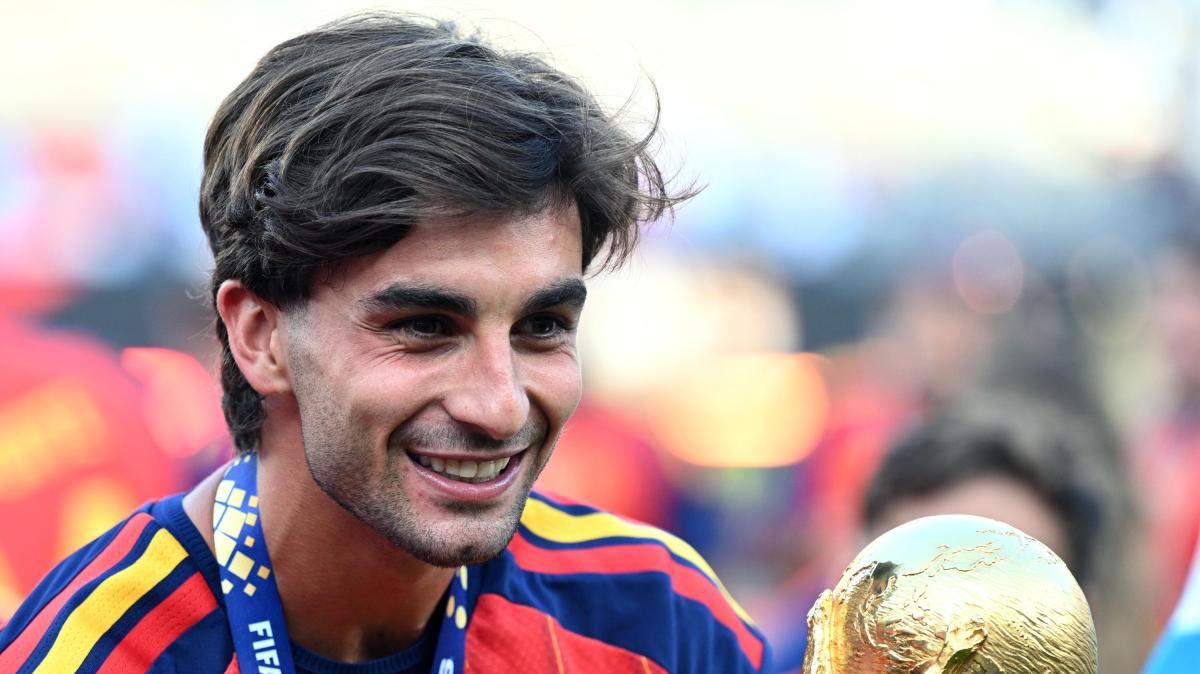
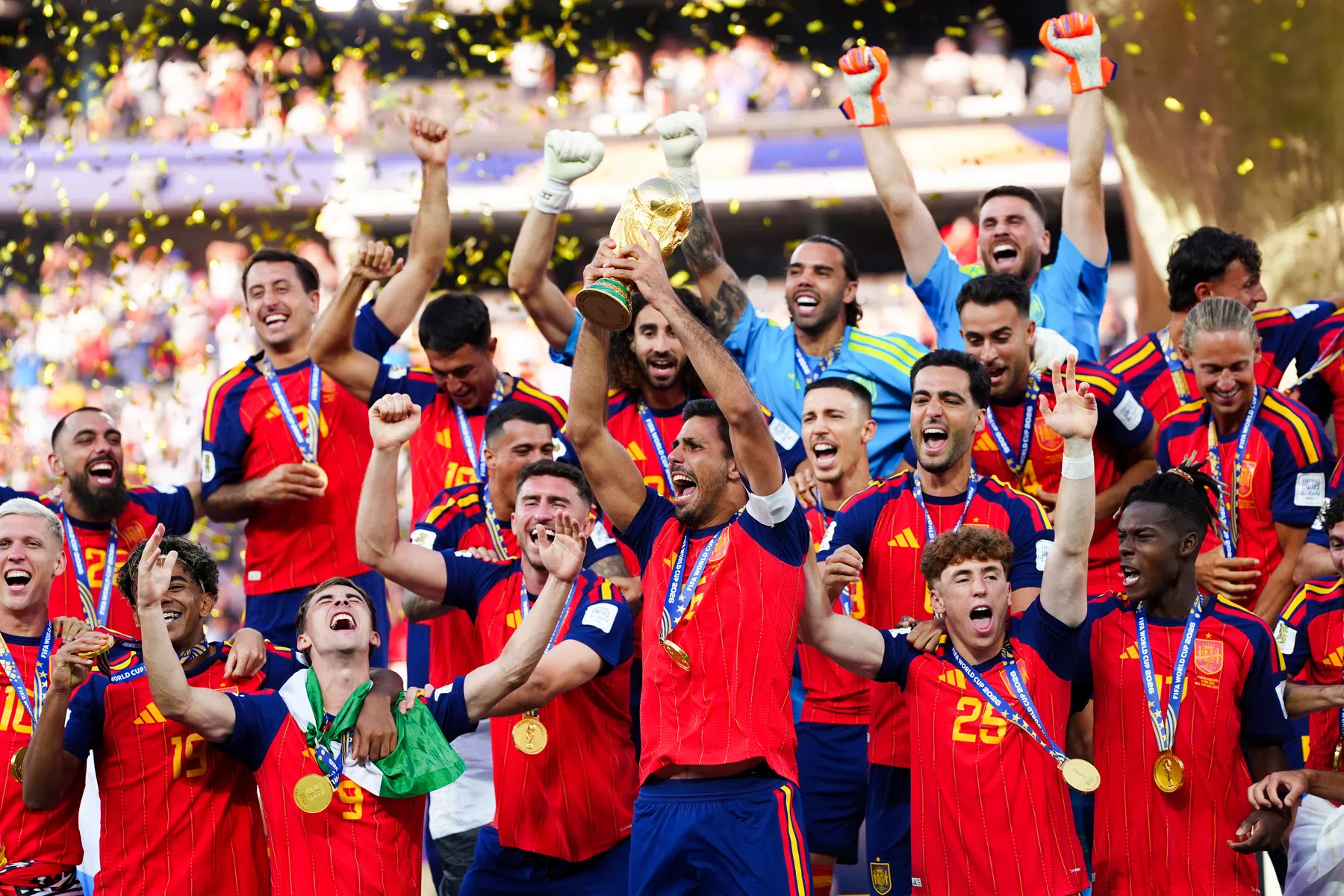
Spain wins the 2026 World Cup by defeating Argentina in
Why it matters
Spain's victory in the 2026 World Cup represents a significant triumph for Iberian football, cementing their status as a global football power. The final against Argentina, led by Lionel Messi, highlighted the capabilities of the Spanish team and their determination to dominate the international stage, having already won the European Championship two years ago.
Context
Lionel Messi, symbol of Argentine football, faced a difficult final against Spain, where his team failed to capitalize on the opportunities created. Despite the defeat, his role and experience remain fundamental for Argentina, especially in view of future challenges, including the 2026 World Cup.
Key points
- Spain wins the 2026 World Cup by defeating Argentina in.
- Spain wins the 2026 World Cup by beating Argentina 1-0 in extra time thanks to a goal by Ferran Torres.
- Spanje krijgt in verlenging wat het verdient tegen Argentinië en pakt wereldtitel.
 The first yellow card of the match was Lisandro Martínez, who interrupted a Spanish counterattack with a foul on Oyarzabal. Shortly after, he was injured and had to leave the field, replaced by Nicolás Otamendi. During the break, the long pause tested the spectators' patience, while Messi struggled to make an impact in the second half. The Argentine star tried to save energy for the decisive moments, but in the first half he struggled to find spaces to strike.
De la Fuente increased the pressure on Argentina, bringing on Ferran Torres and Pedri to freshen up the attack. Right after his entry, Ferran had a great chance, but another time he was stopped by Martínez. Spanish pressure mounted as time wore on, with Argentina struggling to resist. With a quarter of an hour to go, with the introduction of Nico Williams and Mikel Merino, Spain further intensified their attack.
Argentina, despite the difficulties, tried to resist and moved to the limit, but Enzo Fernández committed a foul which cost him a second yellow card, leaving his team with ten men. Spain had the opportunity to exploit the numerical advantage and, in the 106th minute, the liberating goal arrived: Ferran Torres scored with a header assisted by Williams, bringing the score to 0-1. This goal proved decisive, as Argentina failed to respond.
With one more man, Spain managed possession and tried to control the game, while Messi attempted to shake up his team. However, Argentina's final big chance came with Giuliano Simeone, who wasted a golden opportunity. Nothing stopped Spain from winning its second World Cup, sixteen years after the unforgettable triumph in South Africa. A new golden summer for Spanish football.
The first yellow card of the match was Lisandro Martínez, who interrupted a Spanish counterattack with a foul on Oyarzabal. Shortly after, he was injured and had to leave the field, replaced by Nicolás Otamendi. During the break, the long pause tested the spectators' patience, while Messi struggled to make an impact in the second half. The Argentine star tried to save energy for the decisive moments, but in the first half he struggled to find spaces to strike.
De la Fuente increased the pressure on Argentina, bringing on Ferran Torres and Pedri to freshen up the attack. Right after his entry, Ferran had a great chance, but another time he was stopped by Martínez. Spanish pressure mounted as time wore on, with Argentina struggling to resist. With a quarter of an hour to go, with the introduction of Nico Williams and Mikel Merino, Spain further intensified their attack.
Argentina, despite the difficulties, tried to resist and moved to the limit, but Enzo Fernández committed a foul which cost him a second yellow card, leaving his team with ten men. Spain had the opportunity to exploit the numerical advantage and, in the 106th minute, the liberating goal arrived: Ferran Torres scored with a header assisted by Williams, bringing the score to 0-1. This goal proved decisive, as Argentina failed to respond.
With one more man, Spain managed possession and tried to control the game, while Messi attempted to shake up his team. However, Argentina's final big chance came with Giuliano Simeone, who wasted a golden opportunity. Nothing stopped Spain from winning its second World Cup, sixteen years after the unforgettable triumph in South Africa. A new golden summer for Spanish football.
What happens now
With Spain having established themselves as world champions, attention will now shift to preparations for the next cycle of competitions, including qualifying tournaments for the 2026 World Cup. Argentina, while having shown resilience, will have to reflect on Lionel Scaloni's tactical choices and how to improve for future competitions, while always keeping an eye on Messi and his impact on international football.
Frequently Asked Questions
What happened in the 2026 World Cup final?
Spain won the 2026 World Cup by defeating Argentina in the final.
Who confirmed Spain's victory in the 2026 World Cup?
Spain's victory was confirmed by the reports of the final played in New Jersey.
Why did Spain keep the same lineup as in the semi-final?
Spanish coach Luis de la Fuente decided not to make any changes as Spain had looked very convincing in the semi-final against France.
What changes has Argentina made in its formation?
Argentine coach Lionel Scaloni made changes, leaving out Leandro Paredes and deploying Nico González as left midfielder.
How did Lamine Yamal perform in the final?
Lamine Yamal created dangers for the Argentine defense, having a great opportunity in the first half.