La AFC si oppone ai piani controversi della FIFA
Perché conta
La posizione dell'AFC evidenzia le crescenti tensioni all'interno del calcio mondiale, in particolare riguardo alla governance della FIFA. La possibilità di un boycotting del Mondiale 2026 da parte delle federazioni asiatiche potrebbe avere ripercussioni significative sull'immagine e sul successo dell'evento, influenzando anche la partecipazione di altre confederazioni. Questo scenario solleva interrogativi sul futuro del calcio e sulla necessità di un dialogo più inclusivo tra le varie federazioni.
Contesto
L'AFC, che rappresenta 47 associazioni nazionali, è la seconda confederazione più grande dopo la UEFA. La sua opposizione ai piani della FIFA sottolinea l'importanza della cooperazione tra le federazioni per garantire un futuro sostenibile per il calcio a livello globale, specialmente in vista dei Mondiali 2026.
Punti chiave
- La AFC si oppone ai piani controversi della FIFA.
- La AFC ha sollevato forti critiche contro i piani commerciali della FIFA, con l'idea di una boycotting del Mondiale che diventa un tema di discussione.
- Doodsteek voor FIFA? Ook AFC spreekt zich fel uit tegen omstreden plannen.
"Il fatto che la questione di un boycotting del Mondiale venga discussa pubblicamente dovrebbe preoccupare chiunque si prenda a cuore il futuro del nostro sport. Il calcio non avrebbe mai dovuto trovarsi in questa posizione", ha affermato l'AFC. La federazione ha sottolineato che la questione non riguarda solo i piani commerciali della FIFA, ma anche la sua struttura di governance.
"Un progetto di tale portata, che ha impatti sulla futura direzione commerciale, sportiva e strategica del calcio mondiale, non dovrebbe emergere attraverso processi che escludono confederazioni, federazioni nazionali e persino gli organi di governo della FIFA stessa", ha dichiarato la AFC.
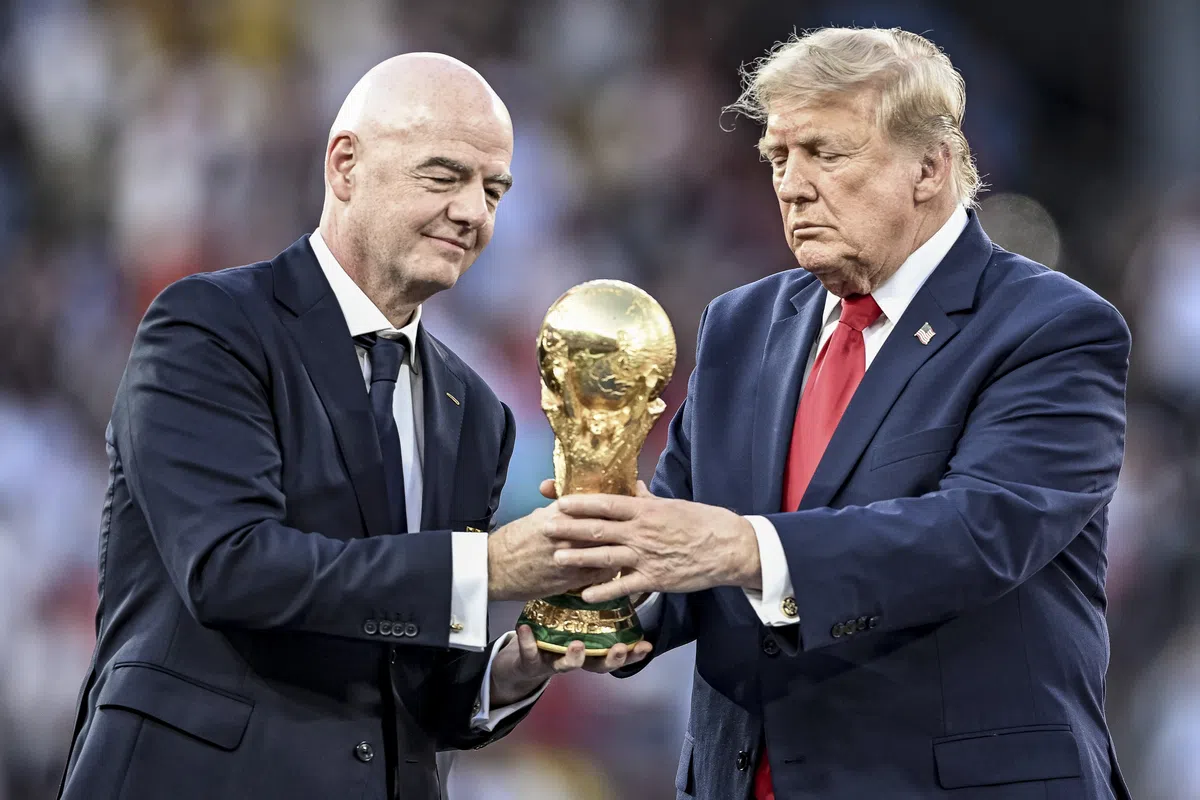
L'AFC ha quindi esortato la FIFA a rivedere urgentemente la propria governance e il proprio processo decisionale, affinché proposte di rilevanza globale possano essere sviluppate attraverso un adeguato dialogo, coinvolgimento significativo e supervisione adeguata da parte degli organi statutari della FIFA.
"Il Mondiale e il calcio in generale appartengono all'intera famiglia calcistica mondiale. Il loro futuro deve sempre essere plasmato collettivamente, attraverso istituzioni che rappresentino le voci di tutte le confederazioni e delle federazioni calcistiche nazionali.
Il clima di incertezza e insoddisfazione sta crescendo e l'AFC ha dimostrato di essere pronta a intraprendere azioni significative se non verranno apportate modifiche sostanziali ai piani in discussione. L'auspicio è che la FIFA accolga queste richieste e inizi a lavorare in modo più collaborativo e trasparente con tutte le parti interessate, per garantire un calcio migliore a livello globale.
Con la FIFA sotto pressione da più parti, la AFC si unisce ad altre confederazioni come UEFA e CONCACAF nel manifestare il proprio dissenso e nel cercare di garantire che il calcio rimanga un gioco per tutti, senza interessi commerciali prevalenti. La prossima stagione calcistica potrebbe quindi riservare ulteriori sviluppi su questa complessa e delicata vicenda.
Cosa succede ora
L'AFC ha chiesto alla FIFA di rivedere il proprio processo decisionale, il che potrebbe portare a negoziati più aperti e collaborativi. Se la FIFA non risponde adeguatamente alle preoccupazioni espresse, il rischio di un boycotting potrebbe diventare più concreto, costringendo la FIFA a riconsiderare i propri piani. La situazione rimane fluida e potrebbe evolversi rapidamente, con ripercussioni significative per i Mondiali futuri.
Frequently Asked Questions
Cosa ha dichiarato l'AFC riguardo ai piani della FIFA?
L'AFC ha espresso 'grande preoccupazione' riguardo ai piani commerciali presentati dalla FIFA, avvertendo che il processo decisionale e la crescente divisione tra le federazioni nazionali hanno portato a una situazione insostenibile.
Chi ha confermato la posizione dell'AFC sui piani FIFA?
La posizione dell'AFC è stata confermata attraverso una dichiarazione ufficiale rilasciata dalla Confederazione asiatica di calcio.
Perché l'AFC sta sollevando preoccupazioni ora?
L'AFC sta sollevando preoccupazioni ora perché le tensioni tra le federazioni nazionali sono tali da far discutere anche di un possibile boycotting del prossimo Mondiale.
Quali cambiamenti chiede l'AFC alla FIFA?
L'AFC chiede alla FIFA di rivedere urgentemente la propria governance e il processo decisionale, affinché le proposte di rilevanza globale possano essere sviluppate attraverso un adeguato dialogo e coinvolgimento.
Qual è il problema principale secondo l'AFC riguardo alla FIFA?
Il problema principale secondo l'AFC riguarda non solo i piani commerciali della FIFA, ma anche la sua struttura di governance, che esclude confederazioni e federazioni nazionali dai processi decisionali.
Articoli Correlati
- Il futuro della Coppa del Mondo è incerto: l'UEFA vota per il
- UEFA Minaccia di Boicottare i Mondiali FIFA per la Vendita di Quote
- Il piano di Infantino per privatizzare il Mondiale ottiene supporto