FIFA announces the creation of a 20 billion euro subsidiary
According to News.
Why it matters
The creation of a $20 billion subsidiary by FIFA represents a radical change in the management of the World Cup and soccer events. This plan could have a significant impact on the way football is monetized, affecting not only FIFA's finances, but also the structure and integrity of the game globally. UEFA's criticism highlights concerns about the excessive commercialization of football, which could compromise the sport's core values.
Key points
- FIFA announces the creation of a 20 billion euro subsidiary.
- FIFA has announced a plan to create a $20 billion subsidiary to run the World Cup, raising concerns and criticism from UEFA.
- FIFA plans to sell stakes in $20 billion subsidiary to run World Cup, angering UEFA.
On July 28, FIFA revealed its ambitious plan to create a $20 billion subsidiary to run the World Cup and other soccer events. The world football organization has
FIFA, under the presidency of Gianni Infantino, is trying to expand its business model and revenues linked to football events, even more so in view of the upcoming editions of the World Cup. The creation of this subsidiary represents a significant step towards more aggressive monetization of football, a sector that has seen its revenues grow exponentially in recent years.
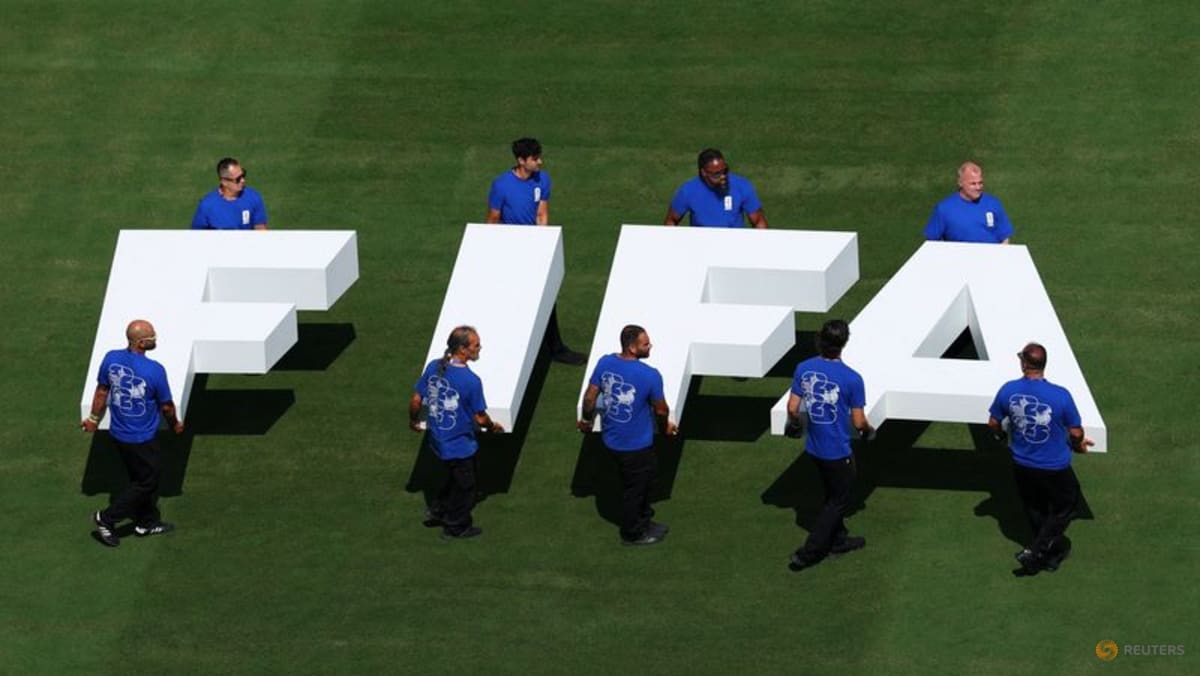
However, UEFA has strongly criticized this initiative, claiming that FIFA is losing sight of the fundamental aspects of the game in the name of profit. "Putting the soul of football up for sale to attract external investment is an approach we cannot accept," said a spokesperson for the European organisation. This phrase sums up the growing fear among national football associations regarding the increasing commercialization of football, which could threaten its authenticity and its connection with fans.
In a context where football is increasingly influenced by economic interests, UEFA's reaction may reflect a wider battle between football entities over how the game should be managed and monetised. FIFA, for its part, claims that the creation of this subsidiary is fundamental to ensuring a sustainable future for football, while also enabling investments in infrastructure and development of the game around the world.
It remains to be seen how this situation will evolve and what the consequences will be for the global football ecosystem. The tension between football institutions is palpable and the issue of the commercialization of football will continue to be a topic of heated debate in the coming months, especially as the next editions of the World Cup, which will take place in North America in 2026, approach.
What happens now
With FIFA's announcement, a heated debate is expected between the various European football federations and organizations. UEFA could intensify its opposition and seek alliances with other federations to counter this initiative. Furthermore, the creation of this subsidiary will have repercussions on the football season and the preparation for the 2026 World Cup, as FIFA's business model could influence the dynamics of participation and sponsorship of future events.
Frequently Asked Questions
What is FIFA's plan regarding the World Cup?
FIFA announced the creation of a $20 billion subsidiary to manage the World Cup and other soccer events.
What is UEFA's reaction to this FIFA initiative?
UEFA harshly criticized the initiative, accusing FIFA of putting the essence and integrity of football at risk.
What are FIFA's objectives with the new subsidiary?
FIFA is looking to expand its business model and increase revenues from football events.
Are there external investors involved in the new FIFA subsidiary?
Yes, FIFA will offer shares of up to 20% of the new structure to external investors.
What are the fears of national football federations regarding this initiative?
Federations fear that the growing commercialization of football could threaten its authenticity and connection with fans.