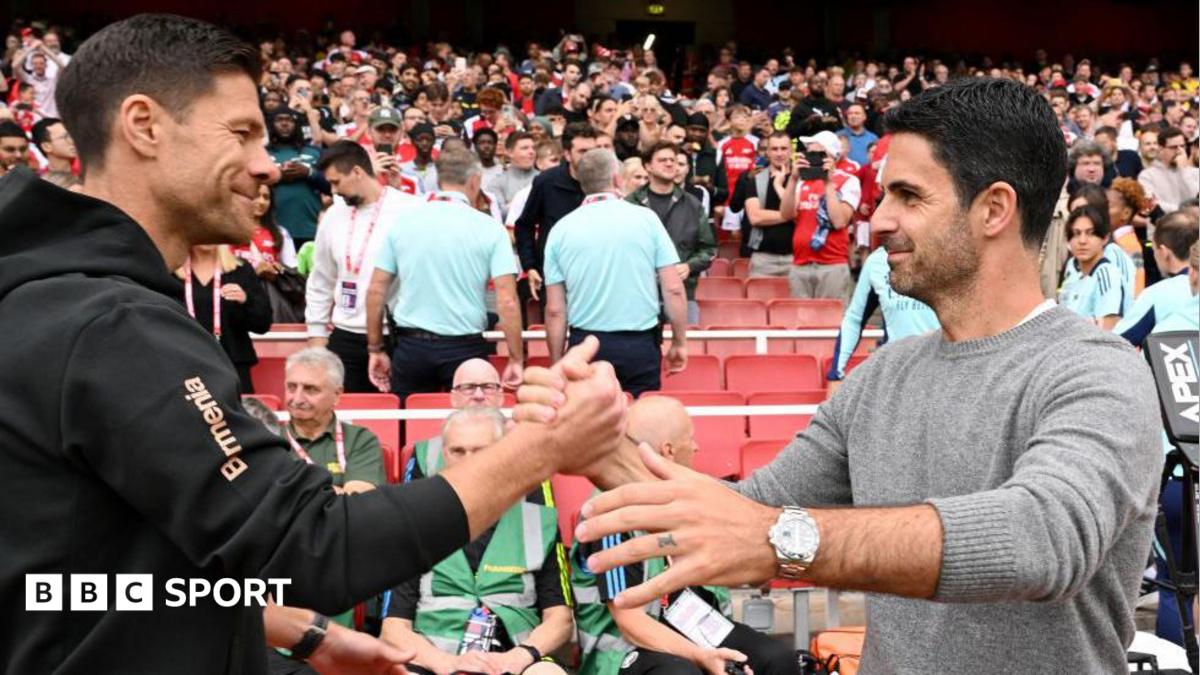
Mikel Arteta, Andoni Iraola e Xabi Alonso hanno il privilegio di allenare tre dei club più importanti della Premier League, ma il loro legame risale a quando avevano otto anni e condividevano un campo di ghiaia per un piccolo club nella regione basca. Con solo sette mesi di differenza tra il più grande, Alonso, e il più giovane, Iraola, si sono schierati insieme per il club di base Antiguoko Kirol Elkartea a San Sebastián. Non si trattava di un'accademia d'élite, ma di un tipico club calcistico a basso budget con campi in cemento e il talento per competere al di sopra delle aspettative. È un mondo lontano dalle ricchezze della Premier League, dove Arteta sta iniziando la sua settima stagione dopo aver vinto il titolo. Nel frattempo, Alonso ha ufficialmente avviato la sua carriera come allenatore del Chelsea, mentre il suo compagno d'infanzia Iraola, che era stato intervistato per il lavoro dei Blues, fa lo stesso al Liverpool. La regione basca è ben rappresentata nella Premier League. Il manager dell'Aston Villa Unai Emery, che co-possiede il club di quarta divisione Real Union, a solo mezz'ora di distanza da Antiguoko, e il direttore sportivo dell'Aston Villa Roberto Olabe provengono entrambi dalla regione. Anche Juanma Lillo, ex assistente di Pep Guardiola al Manchester City, e l'ex direttore sportivo del club Txiki Begiristain sono originari della zona, così come il centrocampista dell'Arsenal Martin Zubimendi e gli ex allenatori della Premier League Julen Lopetegui e Javi Gracia. E ora Antiguoko, un modesto club di base diventato semi-professionale a San Sebastián, sta avendo un grande impatto al vertice del calcio inglese.
Come Arteta, Iraola e Alonso hanno brillato
Interrogato nel 2024 sul motivo per cui così tanti allenatori baschi finiscano nella Premier League, Arteta ha risposto: "Vai a San Sebastián, torna e poi fammi la domanda". "Probabilmente è la passione, il cibo e l’educazione che abbiamo ricevuto. Probabilmente riguardo alle opportunità e qualcuno deve credere in te," ha aggiunto. Anche Iraola ha spiegato che si sono affrontati per le scuole e sulla spiaggia di San Sebastián, ma poi hanno affinato la loro passione su un campo a Berio, sede di Antiguoko, dove lui, Arteta e Alonso si sono schierati insieme. "Siamo solo un club di quartiere; siamo stati fortunati a coincidere con una generazione di giocatori che è storica," ha dichiarato Roberto Montiel, vicepresidente e direttore sportivo. "Quando Arteta, Iraola e Alonso erano bambini, giocavamo su un campo di ghiaia. Per un club come il nostro, è motivo di orgoglio vedere come questi giocatori, che abbiamo visto crescere come calciatori, abbiano trionfato come giocatori e ora come allenatori. "A quel tempo, i giocatori nati dopo agosto 1981 potevano giocare con quelli nati nel 1982, quindi Xabi Alonso, Andoni Iraola e Mikel Arteta hanno giocato insieme in diversi tornei. "Andoni Iraola era un bambino molto timido con un talento eccezionale. Mikel Arteta era un leader già allora, proprio come lo è oggi. Xabi Alonso era molto silenzioso, ma in campo era un eccellente regista." Arteta è descritto come qualcuno che si è sempre distinto – un attaccante decisivo all'epoca. Alonso, figlio del calciatore spagnolo Periko Alonso, era sempre atteso a raggiungere il calcio professionistico. In un'intervista a BBC Sport nel 2019 mentre allenava la squadra B della Real Sociedad, ha detto: "Queste sono le mie radici. Sono nato a 15 minuti da qui - vivo vicino, quindi tutta la mia infanzia è stata attorno alla Real Sociedad. Mio padre è stato un giocatore, poi allenatore, quindi ho sempre avuto un legame molto forte con il club. Andavo allo stadio ma poi ho avuto la fortuna di giocare per la prima squadra e quel momento è stato un sogno che si avvera." Tuttavia, Iraola non era una stella annunciata e parlava della sua sorpresa per essere riuscito a entrare nella prima squadra in un'intervista a BBC Sport all'inizio della scorsa stagione. "Ero preoccupato quando mi sono trasferito a Bilbao," ha ammesso. "È un'ora da casa mia, temevo di non avere il livello per giocare con questi ragazzi e stavo cambiando scuola, ma ho visto subito che potevo giocare a quel livello, anche se è arrivato piuttosto tardi." I suoi ex allenatori dicono che eseguiva i fondamentali in modo eccellente e si adattava semplicemente ogni volta che gli veniva chiesto di giocare a un livello superiore, diventando alla fine uno dei migliori giocatori che l'Athletic Club abbia mai avuto.
Antiguoko è stato fondato nel 1982, poco prima della Coppa del Mondo in Spagna. I giganti baschi Real Sociedad e Athletic Club di Bilbao dominavano il calcio spagnolo, entrambi vincendo titoli consecutivi tra il 1981 e il 1984. Quel successo ha parzialmente ispirato il lancio di Antiguoko, nella densamente popolata San Sebastián, incastonata tra le colline da un lato e la spiaggia di La Concha dall'altro. Le condizioni di base non erano un ostacolo al successo, con il club che ha prodotto più di 40 alumni che sono andati a giocare nella massima serie, incluso il leggendario attaccante dell'Athletic Club Aritz Aduriz - anche lui parte di quella squadra con il trio di futuri allenatori della Premier League. "Compensiamo quel significativo divario con una enorme passione per il lavoro che facciamo e continuiamo a competere testa a testa con le migliori squadre a tutti i livelli giovanili," ha aggiunto il direttore generale e allenatore dei portieri Gorka Azpeitia. I momenti salienti di Antiguoko includono la segnatura di cinque gol contro la squadra professionistica locale Real Sociedad a livello giovanile e la vittoria su una squadra del Real Madrid con il portiere Iker Casillas per 4-2 con Alonso e Iraola in squadra nel 1999. Hanno anche eliminato le squadre di La Liga Valencia e Celta Vigo nelle competizioni giovanili. La scorsa stagione, gli Under-19 di Antiguoko hanno concluso sopra la Real Sociedad, Osasuna e Alaves nella loro lega, seguendo la loro ascesa allo status semi-professionale e la trasformazione del loro campo in cemento in una superficie artificiale di alta qualità. Anche se Antiguoko riceve alcuni pagamenti per i costi di sviluppo quando i giocatori hanno successo nel calcio professionistico, è sempre più difficile competere con i club più grandi. Azpeitia ha aggiunto: "È stata una generazione molto speciale, sì. A quel tempo, i club professionistici non reclutavano i giocatori così presto come fanno ora. Questo ha permesso loro di rimanere insieme al club per molti anni. Oggi continuiamo a reclutare e sviluppare ottimi giocatori, ma è più difficile per loro rimanere al club per così tanto tempo. Spero di sbagliarmi, perché certamente non è per mancanza di impegno, ma sarà difficile replicare una generazione come quella.
"Una società con una cultura sportiva molto forte"
Tutti e tre gli allenatori rimangono amici, avendo lasciato il club negli anni novanta. Da adolescente, Arteta è partito per primo per unirsi al Barcellona, firmando anche un accordo con Adidas come sponsor delle sue scarpe, e ha chiesto loro di fornire ad Antiguoko alcune nuove divise. L'allenatore dell'Arsenal rimane in contatto con il personale del club, visitandoli e ospitandoli a Londra nord. Alonso ha scelto la Real Sociedad come giocatore e Iraola è andato all'Athletic Club con Aduriz. Entrambi Alonso e Iraola hanno iniziato le loro carriere da allenatori ad Antiguoko mentre completavano le loro Licenze Pro Uefa. In quel periodo, Azpeitia ha incontrato l'attuale allenatore del Liverpool e ha detto che Iraola ha mostrato "semplicità, umiltà e intelligenza" lavorando con i giovani. Iraola ha ricevuto un premio di merito sportivo quest'estate, unendosi a distanza per la gala di fine stagione del club. Recentemente ha detto a BBC Sport: "è incredibile che ci vediamo su questi campi di calcio di alto livello 30 anni dopo." In termini di legame di Alonso con casa, suo fratello Mikel, che ha avuto una carriera di alto livello con la Real Sociedad, il Bolton Wanderers e il Charlton Athletic, tra gli altri, rimane in contatto più regolarmente con il club. La storia di Antiguoko è solo un'istantanea del successo proveniente dalla regione di Gipuzkoa, che ospita San Sebastián. Ha la più alta concentrazione di ristoranti con stelle Michelin, così come i più modesti ma spettacolari bar di pintxos trovati nel centro della città. Con la sua lingua, nota come Euskara, che non ha relazione genealogica con altri dialetti europei, e un'eccezionale bellezza naturale, in particolare le sue spiagge di sabbia dorata, c'è una qualità della vita elevata per i 726.000 residenti. "Siamo una società con una cultura sportiva molto forte e la gente di Gipuzkoa è molto competitiva," ha spiegato Montiel. "È quel carattere che ci rende diversi."